
Traditional drinks Key Takeaways
Indian chai is a spiced milk tea made by boiling black tea leaves with cardamom, ginger, cinnamon, cloves, and pepper.
Why Seek Out Traditional Drinks While Traveling?
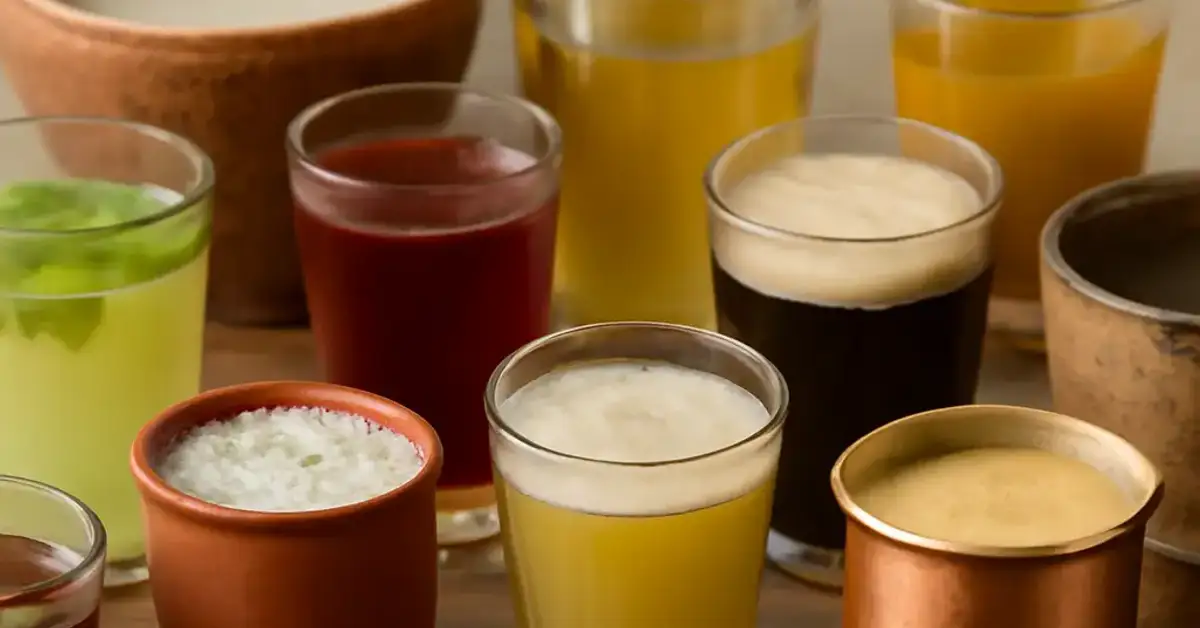
Traditional drinks are more than just refreshments. They are windows into a region’s history, agriculture, and social rituals. From the frothy mate circle in Argentina to the spiced chai stalls of India, every culture has a signature sip that reflects its identity. For food explorers, tasting these beverages is a direct way to connect with local customs. For cultural travelers, it is a chance to understand how geography, climate, and tradition shape what people pour into their cups.
11 Must-Try Drinks Around the World – A Curated Listicle
Here is your passport to 11 iconic beverages. Each entry includes the drink’s origin, what it tastes like, and why locals cherish it.
1. Mate – Argentina, Uruguay, Paraguay
This herbal infusion comes from yerba mate leaves. It is served in a gourd and sipped through a metal straw called a bombilla. The flavor is earthy, bitter, and slightly grassy. Sharing mate is a social ritual that embodies friendship and hospitality. You will see people carrying thermoses everywhere — it is that essential.
2. Chai – India
Indian chai is a spiced milk tea made by boiling black tea leaves with cardamom, ginger, cinnamon, cloves, and pepper. It is sweet, creamy, and aromatic. Street vendors called chai wallahs brew it fresh all day. Every family has its own recipe, and the drink is central to daily life and hospitality.
3. Masala Soda – India, Pakistan, Bangladesh
A zesty carbonated drink mixed with roasted cumin, black salt, lime, and sometimes mint. It is tangy, savory, and refreshing — especially on hot days. Street stalls serve it as a quick digestive and a palate cleanser between meals.
4. Hibiscus Water (Agua de Jamaica) – Mexico, Central America
Made from dried hibiscus flowers steeped in water with sugar and sometimes lime. It is deep red, tart, and floral. Served cold, agua de Jamaica is a staple in Mexican markets and homes. It is also believed to be rich in antioxidants.
5. Kvass – Russia, Eastern Europe
Kvass is a mildly fermented drink made from rye bread, often flavored with fruits or herbs. It tastes slightly sour, yeasty, and refreshingly fizzy. Street vendors sell it from yellow tanks in summer. Locals drink it as a low-alcohol thirst quencher and a traditional remedy for digestion.
6. Lassi – India, Pakistan
A creamy yogurt-based drink that can be sweet or salty. Sweet lassi is blended with mango, rose water, or saffron. Salted lassi is thinner and often flavored with cumin. It is served cold and is the perfect antidote to spicy curries. In Punjab, it is almost a meal in itself.
7. Kombucha – East Asia (origin China)
Kombucha is a fermented tea made with a symbiotic culture of bacteria and yeast (SCOBY). It is effervescent, tangy, and slightly sweet. While it is now a global health trend, its roots go back over 2,000 years to Northeast China, where it was prized for its detoxifying properties.
8. Palm Wine – West Africa (Nigeria, Ghana, Cameroon)
This milky-white, naturally fermented sap comes from palm trees. It is sweet and mildly alcoholic when fresh, but becomes sour and more potent within hours. Served in calabash gourds at village gatherings, palm wine is a symbol of hospitality and celebration.
9. Chicha Morada – Peru
A sweet, non-alcoholic drink made from purple corn, pineapple, cinnamon, and cloves. It is deep magenta, fruity, and spicy. Peruvians drink it with meals or as a street-side refresher. Purple corn is native to the Andes and is also used in desserts and jellies.
10. Baijiu – China
Baijiu is a clear Chinese spirit distilled from sorghum (or other grains). It has a high alcohol content (40–60%) and a pungent, fruity, or floral aroma depending on the region. It is the world’s most consumed spirit by volume. Drinking baijiu is a key part of business dinners, weddings, and festivals.
11. Horchata – Mexico, Spain
Horchata is a creamy, sweet drink made from rice, almonds, or tiger nuts (in Spain) blended with cinnamon and vanilla. The Mexican version uses rice and is often served with a splash of milk. It is refreshing, dairy-free, and a favorite at taquerías and fiestas.
How to Taste Traditional Drinks Like a Local
To truly appreciate these traditional drinks, follow a few simple tips. First, always order the local version, not a tourist adaptation. Second, ask how it is traditionally served — temperature, vessel, accompaniments. Third, observe the social context: is it a morning ritual, a festive toast, or a street-side refreshment? Finally, share the experience with locals; many drinks are meant to be communal. This approach turns a simple sip into a cultural lesson.
Useful Resources
For deeper dives into global beverage culture, check out these trusted sources:
- National Geographic – Street Drinks Around the World
- BBC Travel – The Surprising History of World-Famous Drinks
Frequently Asked Questions About Traditional Drinks
Now it is your turn. Which of these traditional drinks have you tried? Or is there a local favorite from your part of the world that deserves a spot on this list? Drop a comment below — we would love to hear your story and expand our global drinking itinerary together.
Frequently Asked Questions About traditional drinks
What is the most popular traditional drink in the world?
Tea is the most widely consumed traditional drink globally, after water. Black tea, green tea, and herbal infusions are central to many cultures, especially in China, India, and the UK.
Are traditional drinks always alcoholic?
No. Many traditional drinks are non-alcoholic, such as lassi, horchata, chai, and hibiscus water. Alcoholic versions like baijiu and palm wine exist, but they are not the majority.
Where can I find authentic traditional drinks while traveling?
Local markets, street stalls, family-run restaurants, and village festivals offer the most authentic experience. Avoid tourist-heavy areas where drinks are often sweetened or diluted.
Can I make traditional drinks at home?
Yes. Many drinks like chai, lassi, and hibiscus water are easy to prepare with ingredients from international grocery stores or online retailers. Fermented drinks like kvass and kombucha require more patience.
What is the difference between chai and tea?
The word “chai” means tea in many languages, but in English, it specifically refers to Indian spiced milk tea. Regular tea is usually just steeped leaves without milk or spices.
Is mate safe to drink every day?
Yes, in moderation. Mate contains caffeine and antioxidants. However, very hot mate has been linked to esophageal cancer in some studies, so let it cool a bit before sipping.
What does baijiu taste like?
Baijiu has a strong, pungent aroma with notes of fruit, floral, or soy sauce depending on the region. The taste is high in alcohol and can be earthy or sweet. It is an acquired taste for many outsiders.
How long does palm wine last?
Fresh palm wine is best consumed within 24 hours. It starts sweet and low-alcohol, then turns sour and more alcoholic as fermentation continues. After 2–3 days, it becomes vinegar-like.
What is the healthiest traditional drink?
Kombucha, hibiscus water, and green tea are often cited as healthiest due to their antioxidant and probiotic content. Lassi is also good for digestion thanks to its live cultures.
Can I find traditional drinks outside their home country?
Yes. Many global cities have immigrant communities that serve authentic traditional drinks. Specialty tea shops, Latin markets, Asian grocery stores, and international food halls are good places to look.
What is the oldest traditional drink still consumed today?
Mead (honey wine) and palm wine are among the oldest, dating back thousands of years. Beer and wine also have ancient origins, but their modern versions differ greatly from early recipes.
Do traditional drinks vary within a single country?
Absolutely. For example, India has hundreds of regional beverages — from buttermilk in the south to chai in the north. Regional ingredients, climate, and culture create distinct variations.
What is the best traditional drink for hot weather?
Agua de Jamaica (hibiscus water) and lassi are excellent cooling drinks. Masala soda and kvass are also refreshing due to their fizzy and tangy profiles.
Are traditional drinks served hot or cold?
Both. Mate and chai are typically served hot. Lassi, horchata, and hibiscus water are served cold. Some drinks like kvass are enjoyed at room temperature or slightly chilled.
What is the most famous traditional drink in South America?
Mate is the most iconic, especially in Argentina, Uruguay, and Paraguay. Chicha (fermented corn beer) is also traditional in Peru and Bolivia, though less common outside rural areas.
Can children drink traditional drinks ?
Most non-alcoholic traditional drinks are safe for children. Lassi, horchata, and hibiscus water are popular with kids. Alcoholic drinks like baijiu and palm wine are for adults only.
What is the most unusual traditional drink on this list?
Kombucha and kvass are often considered unusual due to their fermentation and tangy taste. Palm wine is also distinctive because it is tapped fresh from trees and ferments naturally.
How do I order traditional drinks abroad respectfully?
Learn the local name and pronunciation. Ask how it is traditionally consumed. Accept if offered in a social context — refusing can be seen as impolite. Thank the server or host.
What is a good starter traditional drink for a beginner?
Lassi or horchata is a great entry point — they are creamy, sweet, and non-alcoholic. Chai is also widely loved. Avoid baijiu or strong palm wine until you are ready for bold flavors.
Where can I learn more about the history of traditional drinks ?
Museums like the Tea Museum in Kolkata or the Mate Museum in Argentina offer deep dives. Books such as “The World Atlas of Beer” and “The Story of Tea” are excellent resources.